White Mold in Your Crawl Space: What It Means for Mount Pleasant Homes
White mold on joists and subfloor is common in Lowcountry crawl spaces. Here is what it means for your Mount Pleasant home and what to do next.
Call now to speak to a specialist
Call (888) 318-2605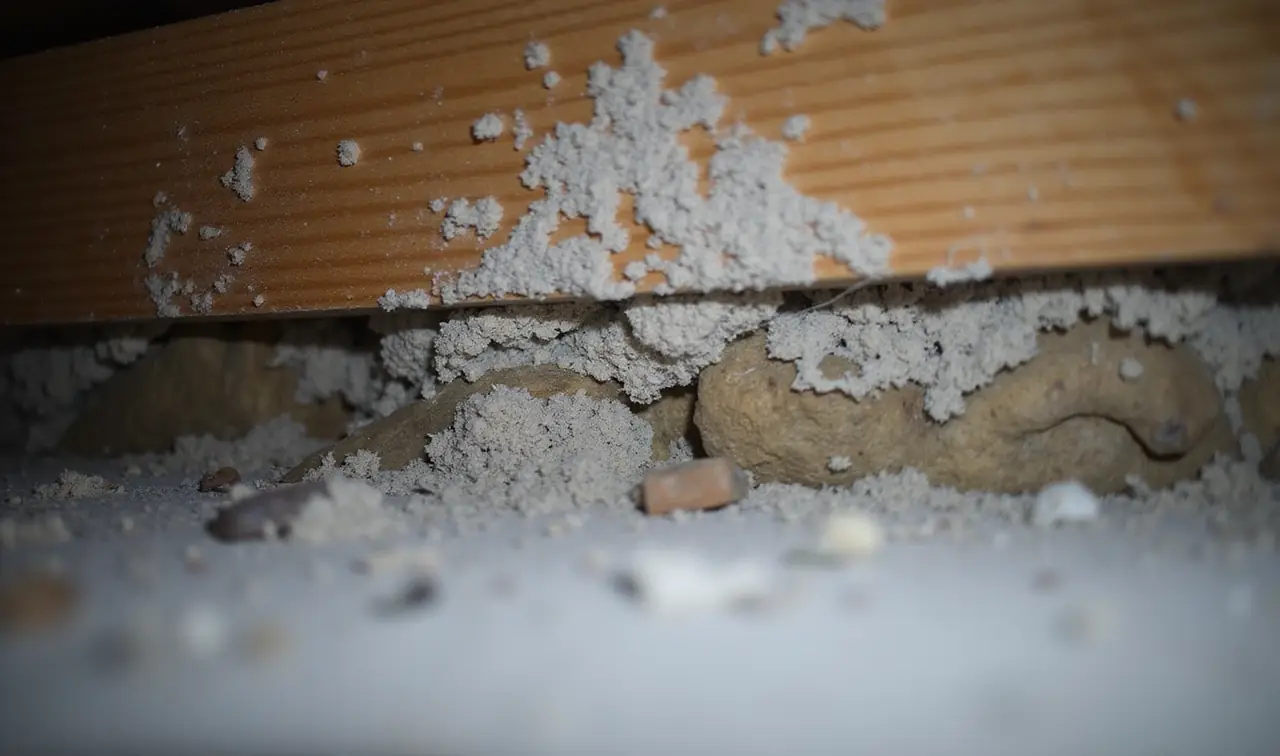
White mold on wood in a crawl space means the wood has been damp long enough for mold to take hold, and the moisture source needs attention before anything else. In Mount Pleasant it is one of the most common things homeowners find when they finally open the access panel. This post explains why the Lowcountry produces it, how to tell it apart from look-alikes, and where the line sits between a weekend cleanup and a job for a professional.
What does white mold on wood in a crawl space mean?
White mold on wood in a crawl space means moisture has been sitting on the joists, subfloor or beams, and mold spores found food and water to grow. The white or pale gray fuzz is the visible growth, and it is a sign about conditions more than a verdict about your house.
Mold on wood is a surface growth that feeds on the organic material and the dust on it. Color alone does not tell you the species. White, gray, green and black growth can all appear in the same crawl space, sometimes on the same board.
Many Mount Pleasant homes sit over vented crawl spaces, and white mold on joists and subfloor is common here. Finding it does not mean your home is failing. It does mean the space is holding more moisture than the wood can shrug off.
Why Mount Pleasant crawl spaces grow white mold
Mount Pleasant crawl spaces grow white mold because the Lowcountry stays humid much of the year and the foundation vents invite that humid air straight underneath the house. Warm, wet air meets cooler wood and ductwork, moisture condenses, and the cycle repeats.
Several local conditions stack the odds:
- Salt air and marsh humidity. Homes near Shem Creek, Hobcaw Point and the marsh edges breathe in moist air all summer.
- Vented foundations. Vents were designed to let a crawl space dry out, but in a humid climate they often bring in more moisture than they release.
- Low ground and tidal flooding. King tides and heavy rain can leave standing water or saturated soil under a raised home.
- Hurricane and tropical storm seasons. Wind-driven rain and storm surge push water into places that rarely get wet.
- Older homes beside newer ones. A house in the Old Village may have decades of wood movement and gaps, while a newer home in Park West or Carolina Park can have tight construction that traps moisture.
Mold can start on wet materials within 24 to 48 hours, so a single soaking can be enough. A crawl space that stays damp through a whole Lowcountry summer gives growth plenty of time to spread.
How to tell white mold from other white deposits
White mold can be confused with efflorescence, which is a powdery mineral residue left behind when water moves through concrete or masonry. Efflorescence appears on block walls, piers and slabs, not on wood, and it is crystalline or chalky rather than fuzzy.
Here are quick differences you can check with a flashlight:
- Texture. Mold is often soft, cottony or speckled. Efflorescence is hard, dry and sandy.
- Surface. Mold grows on wood, insulation facing and sometimes ductwork. Efflorescence stays on masonry.
- Smear test. Mold tends to smear and discolor when wiped. Efflorescence crumbles into powder.
Wood can also carry a pale, fibrous look from rot or from wood-destroying organisms, which is a different problem. If you are not sure what you are looking at, a closer look from a professional is worth it, and Mold Inspection and Testing in Mount Pleasant is the service to ask about when you are connected with a local company.
Where white mold shows up first
White mold shows up first in the parts of a Mount Pleasant crawl space that stay coolest and stagnant, usually the corners farthest from the vents and the wood sitting closest to the soil.
Check these spots when you look:
- Floor joists and subfloor near plumbing penetrations, where condensation drips.
- Sill plates and rim joists along the exterior wall.
- Wood in contact with or near the dirt, including post bases.
- Insulation facing that has sagged or gotten damp.
- Ductwork and the wood just above it, where cold supply air creates sweating.
If you see growth spreading across several joists or across a stretch of subfloor, the moisture source is likely ongoing. A single small patch near one leaky pipe is a different story from a crawl space where the whole ceiling of the space looks fuzzy.
Can you clean white mold on wood yourself?
You can often clean a small area yourself, because EPA guidance says that mold under about 10 square feet is frequently a do-it-yourself job. That is roughly a three-foot by three-foot patch.
The catch in a crawl space is access and conditions. You are working in a low, cramped, dusty area with limited airflow, and disturbing mold there can spread spores into the space and, through gaps and ducts, toward the living area above. If you do try it, keep it to a small, contained area and follow the EPA and SC DES guidance on protective gear.
The bigger point is that cleaning alone does not solve it. Fix the moisture first. If a leak, a bare dirt floor or open vents keep feeding the space, the growth will return, often within weeks during a humid Lowcountry summer.
For symptoms or health questions, talk to your doctor. The CDC and the SC DES Indoor Mold page are the right places for health and safety information, and the SC DES mold hotline is 888-815-3509.
What professional cleanup generally involves
Professional crawl space mold cleanup generally starts with finding and addressing the moisture source, then containing the area, removing or cleaning affected material, and drying the space. Whether the wood is cleaned in place or something has to come out depends on what the independent company finds when it looks.
When you call (888) 318-2605, we connect you with an independent local mold remediation company that serves your area. That company inspects, explains scope and timing, and does the work directly with you. If your crawl space is the main concern, ask about Crawl Space Mold Removal in Mount Pleasant, and ask what they recommend for lowering the humidity afterward.
Many Lowcountry homeowners also look at Crawl Space Encapsulation in Mount Pleasant after a cleanup, which seals the space off from humid outdoor air instead of venting it. Whether it makes sense for your home is a conversation to have with the company you are connected with, based on what they see in your crawl space.
If the problem spreads beyond one area, the broader term to know is Mold Remediation in Mount Pleasant, which covers containing, removing and drying as one process rather than a quick wipe-down.
Common mistakes with crawl space mold
The most common mistake with crawl space mold is treating the fuzz and ignoring the water. Cleaning without fixing moisture is a repeat purchase.
- Painting or spraying over it. Covering growth does not remove it, and the moisture underneath keeps working.
- Leaving the vents wide open all summer. In the Lowcountry that can pull humid air under the house instead of drying it.
- Skipping the dirt floor. A bare soil floor releases moisture constantly, and this is often a bigger source than people expect.
- Disturbing it without protection. Sweeping or scraping dry mold sends spores into the air. Wear proper protective gear if you do any cleaning.
- Ignoring it after a storm. After flooding or heavy wind-driven rain, damp materials can grow mold in 24 to 48 hours.
When to call a professional
You should call a professional when the growth covers more than about 10 square feet, when it keeps returning, when you smell it inside the house, or when the crawl space flooded.
HVAC contamination is another trigger. If ductwork runs through the crawl space and shows growth, the problem can reach every room. Mold after flood or sewage water usually needs a professional, as the EPA notes, because those materials are contaminated beyond ordinary dampness.
Homes on the barrier islands see this too. For houses across the bridge, you can look at Mold Removal in Isle of Palms, where salt air and seasonal rentals add their own wrinkles. Up US 17, homes near the forest edge face similar humidity, which is why Mold Removal in Awendaw covers many of the same concerns.
Mold Removal Mount Pleasant SC is a referral phone line. We do not do the work ourselves. We connect you with an independent local company so you can describe what you found and ask your questions directly.
Frequently Asked Questions
Short answers to what Mount Pleasant homeowners ask most about white mold in crawl spaces appear in the questions below.
Get help with Mold Removal in Mount Pleasant
If you have found white growth on the joists or subfloor, call (888) 318-2605 and describe what you see. You will be connected with an independent local mold remediation company that serves Mount Pleasant and the nearby coast.