Mold in Your Air Ducts: Signs and What to Do
A musty smell when the A/C starts can point to mold in air ducts. Learn the signs, the Lowcountry causes and what Mount Pleasant homeowners should do.
Call now to speak to a specialist
Call (888) 318-2605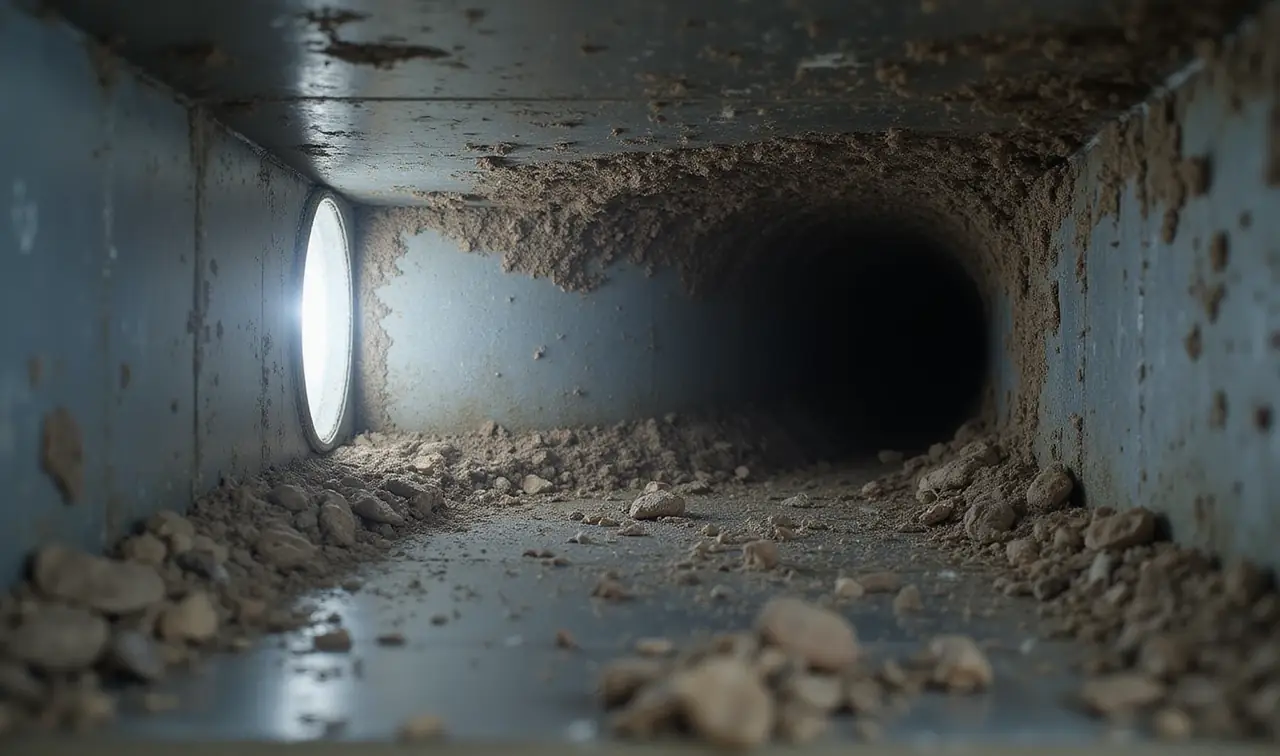
Mold in air ducts usually shows up as a musty smell when the A/C runs, visible growth around vents, or a wet drain pan or sweating ductwork that stays damp. If you notice any of these in a Mount Pleasant home, the system needs a closer look. EPA guidance says HVAC contamination usually needs a professional, so this guide focuses on what you can check safely and when to stop.
What are the signs of mold in air ducts?
The signs of mold in air ducts are a musty or earthy smell when the system starts, dark or fuzzy growth on vent covers and registers, and moisture or staining around ducts and the air handler. The smell is often the first clue because the ducts themselves are out of sight.
Other signs include:
- Dark spotting around supply vents or on the ceiling near them.
- Dust that looks like fuzz or dark specks blowing from a register.
- A wet or slimy drain pan under the indoor coil.
- Water stains on ceilings or walls where ducts run.
- Condensation or dripping on ductwork in the attic or crawl space.
- A smell that is worse in rooms closest to the air handler.
None of these proves mold by itself. Together, especially with a persistent smell, they point toward moisture in the system.
Why Lowcountry duct systems get damp
Lowcountry duct systems get damp because the air outside is humid much of the year, and cold air moving through ducts in a hot, humid attic or crawl space makes them sweat. When surface temperature drops below the dew point, water forms.
Local factors that raise the odds:
- Ducts in vented crawl spaces. Many Mount Pleasant homes have them, and humid air coming through the vents condenses on cool ducts.
- Hot, humid attics. Ducts running through attics are exposed to heat and moisture all summer.
- Clogged condensate drains. A blocked line backs water into the drain pan or the air handler.
- Oversized systems. They cool quickly and shut off before removing much moisture.
- Storms and power outages. After a tropical system, the A/C may sit idle while humidity soars.
Mold can start on wet materials within 24 to 48 hours. Insulated flex duct and internal duct lining can hold moisture and dust, which makes them a more likely place for growth than smooth metal.
Is it mold, dust or something else?
Dark spots at a vent are not always mold, because dust, soot and ordinary buildup can look similar. The difference is usually texture, location and the presence of moisture.
- Dust: Dry, gray and lifts away with a vacuum.
- Ghosting or soot: Dark outlines on ceilings from airflow patterns, often without moisture.
- Mold: Fuzzy or spotty, often with a smell and with moisture nearby.
Color alone does not identify species. If you are unsure, Mold Inspection and Testing in Mount Pleasant is the service to ask about when you are connected with an independent local company. Fear of a particular color is not a reason to rush. Black mold is a popular label, and Black Mold Removal in Mount Pleasant is the page to read if you are wondering about dark growth specifically.
What you can safely check yourself
You can safely check a few things yourself without opening the ductwork. Keep this to simple observation and the parts you can reach.
- Notice when the smell appears: at startup, all the time or after rain.
- Look at supply vents and returns with a flashlight.
- Check the air filter. A wet, dirty or moldy filter is a clue.
- Look at the drain pan near the indoor unit if it is accessible.
- Check the condensate line outlet outside to see if water is flowing.
- Look at ductwork in the attic or crawl space for dripping or wet insulation.
- Read the indoor humidity with a hygrometer.
Replacing a dirty filter is reasonable. Beyond that, if you see growth or the smell persists, stop and get help. For health questions, talk to your doctor, and see the CDC and SC DES Indoor Mold page for general guidance. The SC DES mold hotline is 888-815-3509.
Why you should not scrub ducts yourself
You should not scrub or spray ducts yourself because disturbing contaminated ductwork can spread spores through the whole house every time the system runs. EPA guidance says that HVAC contamination usually needs a professional.
There is also a practical limit. Most of the system is hidden in walls, attics and crawl spaces, and the coil and air handler are not designed for do-it-yourself cleaning. Spraying products into ducts does not fix the moisture that caused the growth.
EPA guidance says an area under about 10 square feet is often a DIY job in the open house. Ductwork is a different situation because the whole home shares the air.
What professional duct work generally involves
Professional duct work generally involves finding the moisture source, containing the area, cleaning or removing affected parts of the system and confirming the system is dry. Porous duct lining or wet insulation often cannot be cleaned and may need to be replaced.
When you call (888) 318-2605, we connect you with an independent local mold remediation company that serves your area. That company inspects, explains scope and timing, and does the work directly with you. For this kind of problem, HVAC and Duct Mold Removal in Mount Pleasant is the service to ask about.
If ducts run through the attic, moisture from that space may be part of the picture. Attic Mold Removal in Mount Pleasant covers what that involves. Homes inland face the same system issues, so Mold Removal in Summerville and Mold Removal in Goose Creek cover nearby areas.
Keeping the system dry afterward
Keeping the system dry afterward is what keeps the problem from coming back. Cleaning without moisture control often means regrowth.
- Keep the condensate drain clear and the drain pan clean.
- Change filters on a regular schedule.
- Keep indoor humidity below about 60 percent.
- Insulate and seal ducts in attics and crawl spaces so they do not sweat.
- Fix roof leaks and crawl space moisture.
- Do not switch the A/C off for long stretches in summer.
Common mistakes
The most common mistake with mold in air ducts is masking the smell, because deodorizers and duct sprays hide the symptom and leave the moisture.
- Running the system while a smell persists. It spreads whatever is in the ducts.
- Spraying disinfectant into registers. It does not fix wet lining or a clogged drain.
- Ignoring the drain line. A simple clog can cause big moisture.
- Replacing only the filter. It helps but does not address growth elsewhere.
- Waiting. Growth spreads and affects more material over time.
When to call a professional
You should call a professional when you see growth on vents or inside ducts, when the smell returns, when the drain pan or coil is contaminated or after a flood that reached equipment. Duct problems affect every room, so they are not a small project.
Mold Removal Mount Pleasant SC is a referral phone line. We do not do the work ourselves. We connect you with an independent company, and that company inspects, explains scope and timing, and works directly with you.
Frequently Asked Questions
These are common questions about mold in air ducts for Mount Pleasant homeowners.
Get help with Mold Removal in Mount Pleasant
If you think mold is in your ducts, call (888) 318-2605 and describe what you smell and see. You will be connected with an independent local mold remediation company that serves Mount Pleasant and nearby areas.